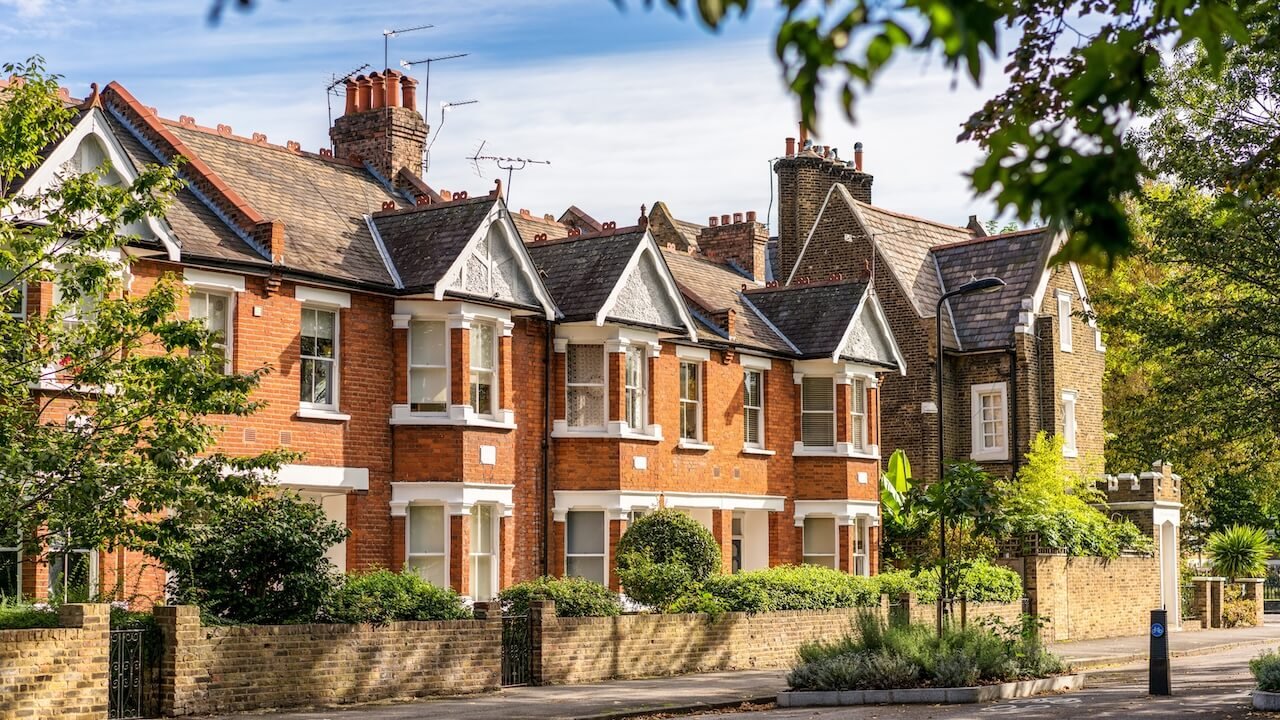
What to look out for when buying a period property.
Victorian terraces are full of charm, but with many now over 120 years old, certain structural issues appear again and again during surveys. If you’re buying or renovating one, here are the key problems to look out for.
1. Movement and Cracking
Shallow Victorian foundations often lead to:
- Cracks in brickwork or plaster
- Sloping floors
- Sticking doors
Some movement is historic, but active movement needs investigation.
2. Damp
Damp is one of the most common issues in Victorian homes due to:
- Failed or bridged damp‑proof courses
- Solid walls that trap moisture
- Poor ventilation
- Leaking gutters
3. Roof Problems
Many terraces still have original roof structures. Typical defects include:
- Slipped or missing slates
- Decayed timbers
- Sagging roof lines, due to roof overload
- Little or no underfelt
Left untreated, roof issues lead to leaks and timber decay.
4. Chimneys and Party Walls
Chimneys often show:
- Loose brickwork
- Failing mortar
- Damp penetration
- Leaning stacks
Repairs may require agreement with neighbours.
5. Timber Decay and Woodworm
Original Victorian timbers can suffer from:
- Woodworm
- Wet rot
- Dry rot
These issues often hide beneath floors or behind plaster.
6. Unregulated Alterations
Loft conversions, wall removals and chimney removals can cause structural problems if done without Building Regulations approval. Undersized beams and unsupported loads are common findings.
7. Drainage Issues
Old clay drains can collapse or become blocked. Poor drainage contributes to damp, movement and internal damage.
A detailed survey provides a full assessment of structural condition, highlights hidden risks and gives clear advice on repairs and maintenance, essential for older Victorian properties.